
Nearly two centuries of history live within these walls. And the story is still unfolding.
This is more than the history of a house. It is a doorway into the history that shaped a nation.
Since 1845, this rare and charming Boston Gothic Revival Cottage has been connected to people and moments that shaped life far beyond its walls—from abolition and emancipation to civil rights and the changing story of Roxbury. Nearly two centuries later, we are tracing the lives, ideas, struggles, and unfinished stories that converged here—and discovering just how far the story of one house can reach.
Stories & Discoveries
-
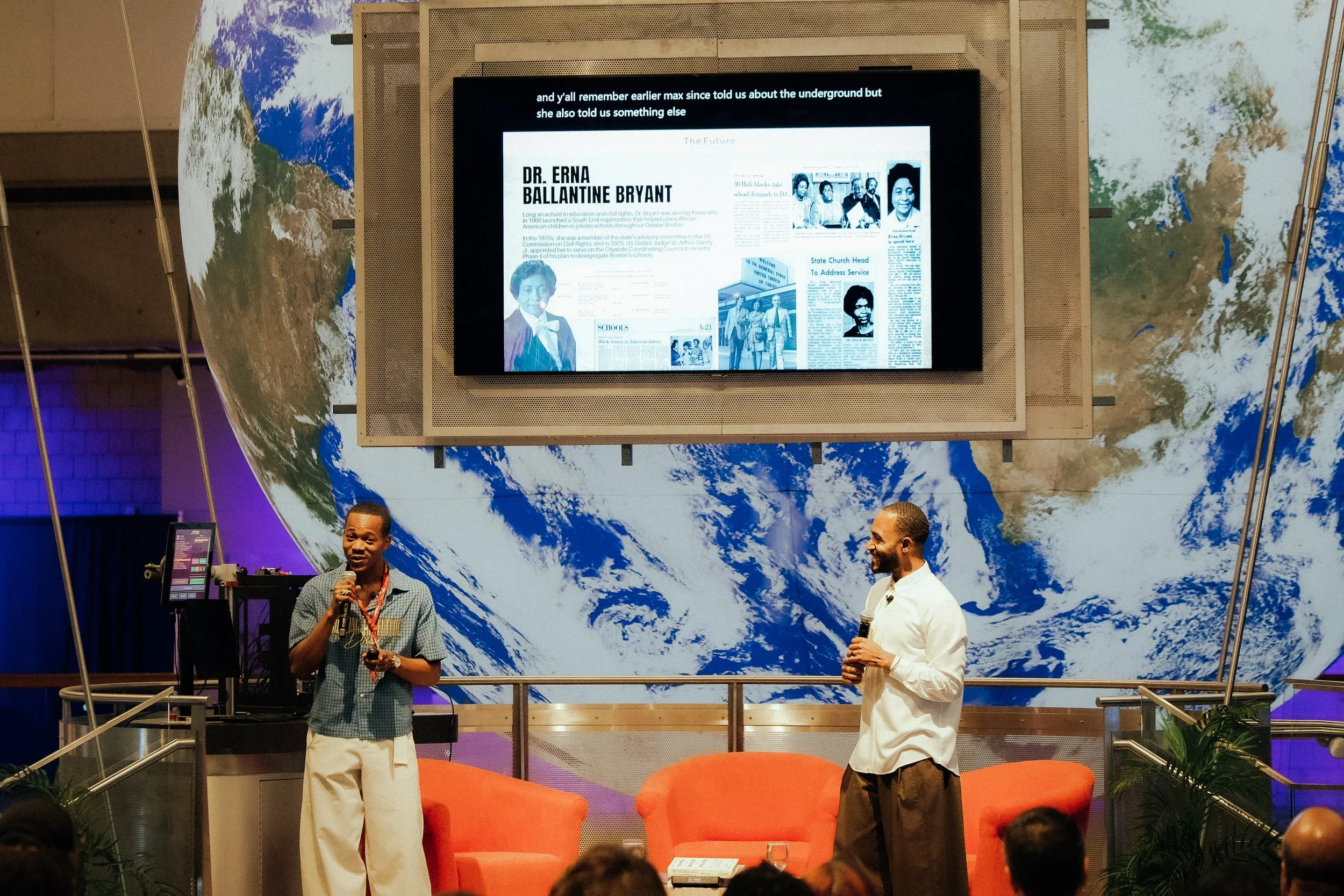
![Derrick Young Jr and Jonathan Allen hosting The Future at Museum of Science Boston]()
The Future with Leadership Brainery at Museum of Science Boston: Shaped From the Past 250
Boston, July 2026
Join Leadership Brainery founders Jonathan Allen and Derrick Young Jr. for The Future: Shaped From the Past 250, an immersive live experience exploring the hidden history of Roxbury ties to the Underground Railroad and Emancipation Proclamation through the remarkable discoveries surrounding their historic home, Rose Cottage. Featuring a TED-style presentation, award-winning journalist Jeneé Osterheldt and acclaimed historian Leland Clarke.
-
![An image of Greenspacing.]()
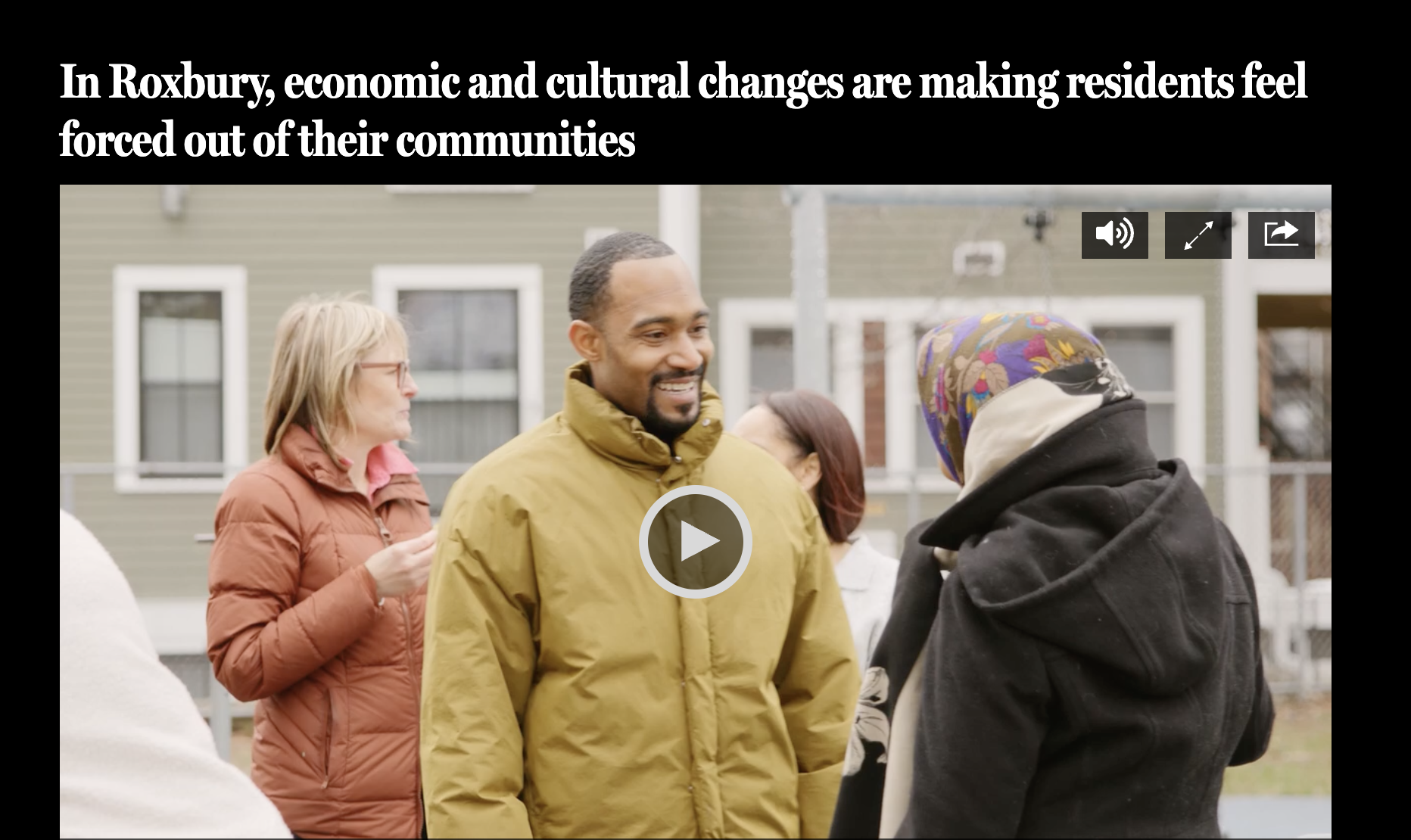
Boston Globe Spotlight: In Roxbury, economic and cultural changes are making residents feel forced out
September, 2026
Three generations of Roxbury residents share how they have noticed the neighborhood change, as new residents and developments impact the tight-knit community.
Notable Owners & Their Connections
Mrs. Frances Mary (Smith) Bolles & William Carey Bolles
Rose Cottage’s first known family, William and Frances Bolles made the house their home with their newborn daughter, Amelia Frances. William was an artist; Frances, a genealogist and published author. Their family history reveals connections to prominent religious figures and abolitionists in early America, alongside generations of anti-slavery beliefs and possible ties to the Underground Railroad. In her 1891 family history, Frances recorded that William died at Rose Cottage and that his funeral was held within the home.

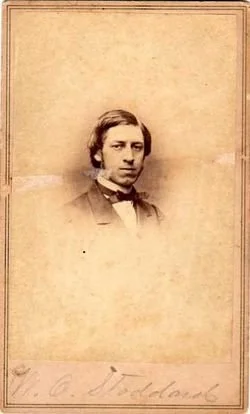
Prentice S. Stoddard & William Osborn Stoddard
After William Bolles’s death, Frances married Prentice S. Stoddard, whose son, William Osborn Stoddard, would find himself at the center of American history. A committed abolitionist and journalist, William joined Abraham Lincoln’s White House as an assistant private secretary during the Civil War. There, amid a nation fighting over slavery and its future, Stoddard made the first copy of Lincoln’s draft Emancipation Proclamation. He would spend the decades that followed as a prolific author and chronicler of Lincoln, preserving an eyewitness account of a presidency—and a nation—transformed by war and emancipation.
Dr. Erna Ballantine Bryant
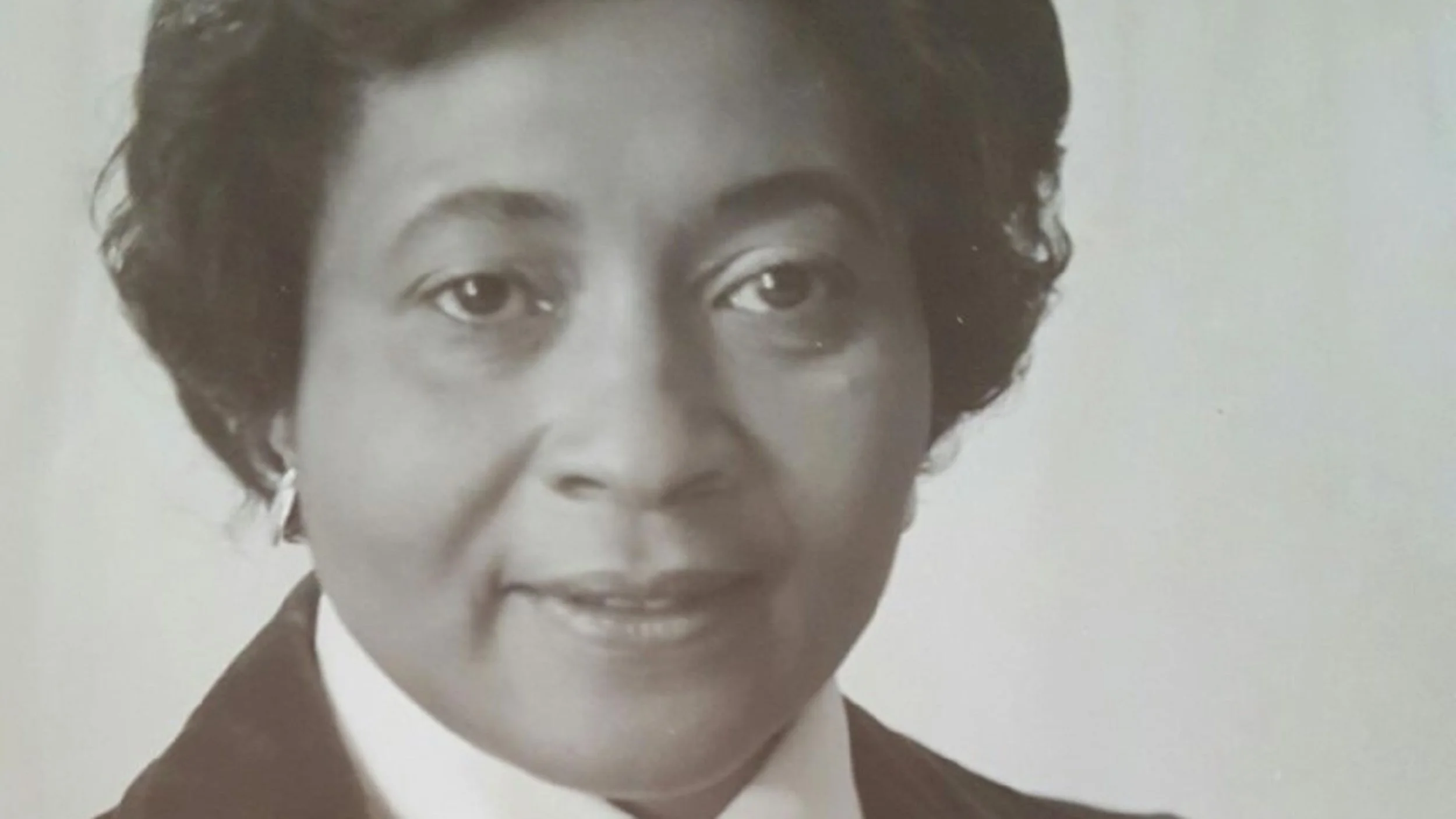
Nearly a century after Rose Cottage’s earliest residents, Dr. Erna Ballantine Bryant made the house her home while breaking barriers across education, banking, government, and civil rights. The only Black woman in her doctoral program at Harvard, she became the first Black woman to hold an administrative-level banking position in New England and the first person of color to lead the Massachusetts Commission Against Discrimination. Her commitment to educational opportunity placed her on the front lines of Boston’s civil rights movement—from expanding access to private schools for Black children to helping oversee the federally ordered desegregation of Boston’s public schools. From Rose Cottage, Bryant belonged to a new generation confronting one of America’s oldest struggles: who has access to opportunity, power, and equality.
William Whiting
Just two houses from Rose Cottage stood the estate of William Whiting, with Montrose Street serving as a private way to his property until the 1890s. A prominent Boston attorney and ardent antislavery advocate, Whiting developed one of the nation’s most influential legal arguments for the federal government’s power to emancipate enslaved people during the Civil War. His writings helped shape the legal case for Lincoln’s Emancipation Proclamation and brought him to Washington, where he served as Solicitor of the War Department from 1862 to 1865. His presence on Montrose places Rose Cottage within a remarkable neighborhood of people whose ideas and actions reached from this quiet Roxbury street to the center of a nation at war.
Stay on the journey.
There is much more ahead for Rose Cottage. Be the first to hear about new research, preservation efforts, special gatherings, and other ways to experience and engage with the Cottage.